Lymphatic Drainage Massage
Lymphatic drainage massage is the term many people use when looking for a treatment that supports the body’s lymphatic system.
The specialist treatment I provide is called Manual Lymphatic Drainage, commonly shortened to MLD. You may also hear people call it lymphatic massage, lymph drainage massage or even LDM, but MLD is the recognised professional term.
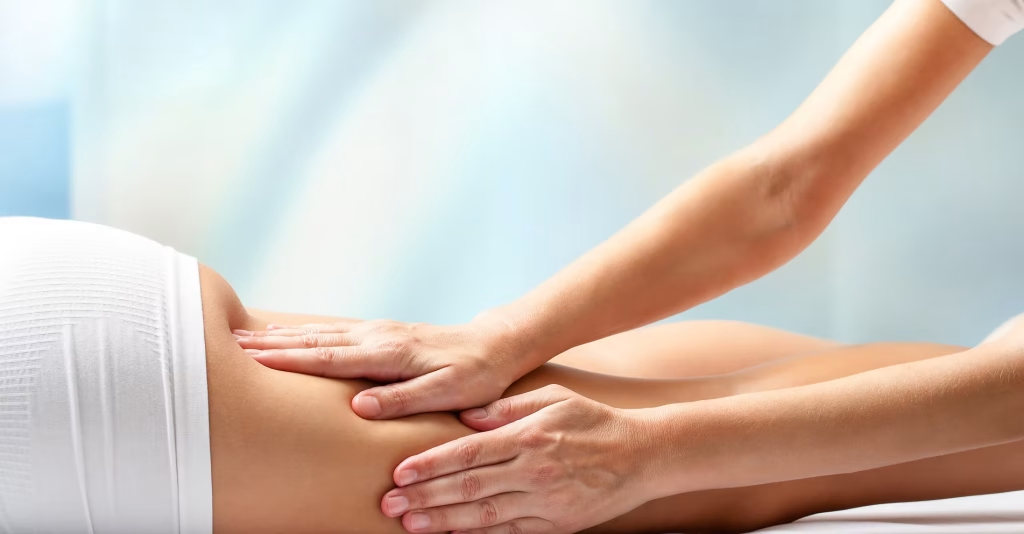
MLD is a gentle, non-invasive treatment that uses precise, rhythmic movements across the skin. These movements are designed to encourage the movement of fluid through the lymphatic system. It is very different from the deeper pressure and muscle manipulation associated with conventional massage.
I am an accredited Vodder MLD therapist with 20 years of experience and a member of MLD UK. Treatments are tailored to the individual and can be provided in the comfort of your own home.
Is lymphatic drainage massage the same as MLD?
“Lymphatic drainage massage” has become a widely used phrase, particularly online and across the beauty, wellbeing and post-surgery sectors. However, treatments offered under this broad description may vary considerably.
Manual Lymphatic Drainage is a specialist technique that requires an understanding of the anatomy and function of the lymphatic system. Rather than working deeply into muscles, I use gentle, carefully directed movements to influence the superficial lymphatic vessels found close to the skin.
As a result of this technique MLD treatment may feel much lighter than you expect. The pressure does not need to be deep or forceful to work with the lymphatic system.
When you book, you are receiving specialist Manual Lymphatic Drainage from an accredited and experienced MLD therapist.
What is the lymphatic system?
The lymphatic system is a network of vessels, tissues and lymph nodes located throughout the body. It helps manage fluid levels, supports the immune system and carries excess fluid away from the body’s tissues.
Unlike blood circulation, the lymphatic system does not have a central pump like the heart. The movement of lymph is supported by factors including breathing, physical movement, muscle activity and the contraction of the lymphatic vessels themselves.
Manual Lymphatic Drainage uses light, rhythmic movements designed to work with this system and encourage fluid to move through appropriate lymphatic pathways.

What does Manual Lymphatic Drainage feel like?
MLD is usually a calm and gentle treatment.
I use a sequence of light, rhythmical movements tailored to the area being treated and the reason for your appointment. Because many lymphatic vessels sit close to the surface of the skin, treatment does not rely on heavy pressure.
Many clients find the experience deeply relaxing. It should not feel like a sports massage, deep-tissue massage or vigorous body treatment.
MLD before surgery
Some clients choose to have MLD before a planned procedure as part of their wider preparation.
Pre-surgery treatment should be considered alongside the advice given by your surgeon or medical team. We can discuss the timing of appointments and whether any approval or additional information is needed before treatment.
MLD after surgery
I also have extensive experience supporting clients following a wide range of cosmetic and medical procedures. Recovery from surgery is a particular area of interest within my MLD practice.
The timing and suitability of post-surgery treatment will depend on the procedure, the individual stage of recovery you are at and the instructions provided by your surgeon. Treatment should never replace medical follow-up or override post-operative guidance.
MLD for general wellbeing
Not every MLD appointment is connected to surgery.
Some people enquire because they feel puffy, heavy or uncomfortable, or because they want to explore a gentle treatment as part of their broader wellbeing routine.
We will discuss what you hope to gain from treatment and whether MLD appears appropriate.

How is MLD different from conventional massage?
Conventional massage commonly focuses on muscles and other soft tissues. Depending on the style, it may use kneading, friction, sustained pressure or deeper movements.
MLD follows a different approach.
The movements are light, slow and rhythmical because the treatment is intended to work with lymphatic vessels located close to the skin. A trained therapist also considers the direction in which fluid should be encouraged to move, based on the underlying lymphatic anatomy.
In practical terms:
Manual Lymphatic Drainage
- Uses light and carefully directed movements
- Focuses on the lymphatic system
- Follows specific treatment sequences
- Is performed by a trained MLD therapist
- Can be adapted around surgical recovery and individual needs
Conventional massage
- Usually focuses primarily on muscles and soft tissue
- May use medium or deep pressure
- Often aims to address muscular tension, stiffness or relaxation
- Does not necessarily involve specialist lymphatic training
Both may be described as massage, but they are not interchangeable treatments.
MLD is not automatically suitable for every person or every situation.
Before treatment, I will need to understand the reason for your enquiry and any relevant medical history. This is particularly important when treatment is being considered after surgery or in response to swelling, discomfort or a change in health.
You may be asked to obtain guidance or consent from your surgeon, GP or another healthcare professional before proceeding.
Why choose Lisa MLD?
I have been an accredited MLD therapist and member of MLD UK for 20 years. My experience covers a range of applications, with surgical recovery forming a particular focus.
I am fully mobile, allowing treatment to take place in the comfort and privacy of your own home. This can be particularly helpful when movement or travel is restricted following a procedure.
My approach is personal, reassuring and tailored to the individual. It’s important I take the time to understand your circumstances, answer your questions and explain whether MLD is an appropriate treatment route.
Common MLD treatment questions
MLD stands for Manual Lymphatic Drainage. It is a specialist, gentle treatment designed to work with the lymphatic system.
Some people use the initials LDM when referring to lymphatic drainage massage, but Lisa uses the professionally recognised term MLD.
Manual Lymphatic Drainage is generally light and gentle. It should not feel like a deep-tissue or sports massage.
Treatment following surgery may need to account for tenderness, sensitivity and your stage of recovery. Lisa will adapt the appointment and work within any guidance provided by your surgeon.
No. MLD uses light, rhythmic movements across the skin rather than deep pressure into the muscles. This reflects the position of many lymphatic vessels close to the skin’s surface
This varies from person to person.
The number and frequency of sessions may depend on why you are seeking treatment, whether you have had surgery, the type of procedure and how your recovery progresses. Lisa can provide more personalised guidance after discussing your circumstances.
There is no single answer for every procedure.
The timing must take account of your surgeon’s instructions, the nature of the operation and your stage of recovery. Lisa may ask for consent or guidance from your surgeon before beginning treatment.
Yes. Lisa is a fully mobile MLD therapist and provides treatments in clients’ homes. This can be especially useful following surgery, when travelling may be difficult or uncomfortable.
Manual Lymphatic Drainage can form part of specialist lymphoedema management. NHS guidance describes it as one component of decongestive lymphatic therapy, alongside measures such as compression, exercise and skin care.
Lymphoedema is a medical condition that requires appropriate assessment and management. Please speak to your GP or specialist lymphoedema service if you have diagnosed or suspected lymphoedema.
Now that you understand what is commonly called lymphatic drainage massage, the next step is to find the treatment route that best reflects your circumstances.
Explore Lisa’s MLD treatments for:
- Preparation before surgery
- Recovery after surgery
- General, non-surgical wellbeing
Not sure which route is right for you? Contact Lisa to explain your circumstances and ask any questions before arranging an appointment.